Sunday, May 5, 2013

Devil's Icebox and Its Environs

Today I went with some kids from my dorm to Devil's Icebox, which is a cave, and some trails around it. I had a great time, and, naturally, I took a lot of pictures of plants.

First, though, check out this spinach I got. The greenhouse overwintered some of its spinach from last fall, and it began growing again this spring. The spinach soon bolted, though, so I was tasked with pulling it all. Even though it had flowered, the leaves tasted fine, so I was allowed to take home whatever I wanted. I took home a whole bagful, and gave a few plants each to two of my closest friends at school. Here's what I had left after that. It may not look like much, but there's real treasure in there. And lots of aphids and spiders, as it turns out.


Here's another photo unrelated to my cave trip. I saw this on my way to my car this morning and couldn't resist photographing it.


The cave pictured here is not the one we explored, but we did end up crossing this stream. I didn't take many pictures inside the cave because the bottom of it was a river, and I didn't want to drop my phone in it. However, some of my friends took quite a few pictures from in the cave, so I'll post them when I get them.


This plant is a wild Missouri edible, the mayapple (Podophyllum peltatum). These umbrella-like plants will produce apple-esque fruits later this year. The fruits are edible when cooked and can be incorporated in pies, jellies, and so forth. I've never eaten one, but I would like to.


I love mossy cliff faces. This one was quite impressive. The mud made it impossible to clamber over to that tree, though.


There was a plethora of wildflowers blooming at the state park we visited, and I didn't recognize any of them. There's a surprising but substantial difference in the ecologies of my native region and more northern regions of Missouri.


This is Devil's Icebox. This is the cave we explored. We did not, however, enter it this way.


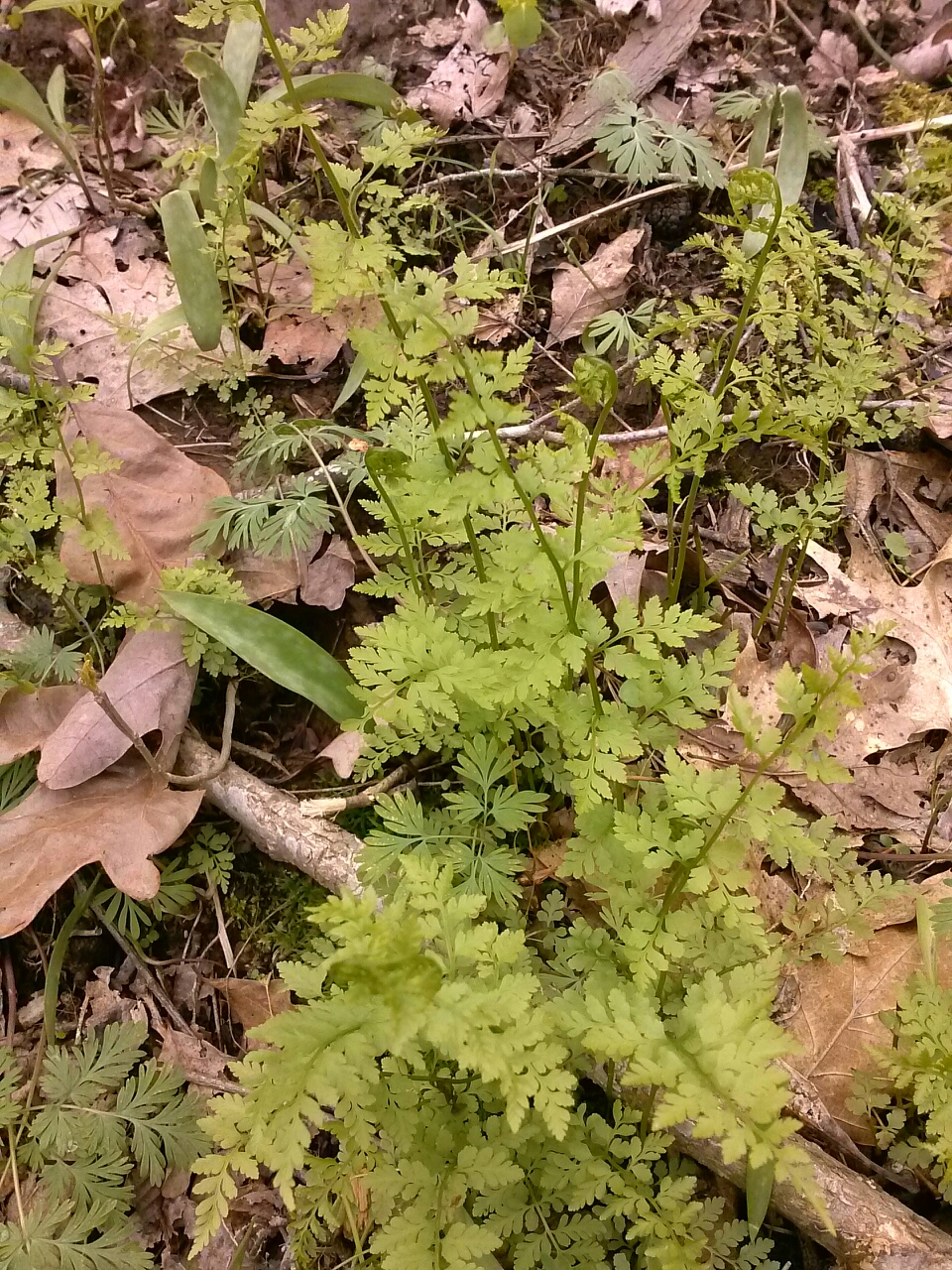
These ornate ferns were all over the place. I quite enjoyed them.

Another unfamiliar wildflower. These blooms resembled snapdragons, except that they weren't in spike formations.


These flowers look like they might belong to the Phlox genus.


Again, I hope to bring you some in-cave pictures. It was a great experience, exploring some of the area's natural wonders. What has nature created in your neck of the woods?

Next post: me in a cave?

Saturday, May 4, 2013

Another Plant Sale! (Part 2)

Now I'll bring you the other half of the plant sale pictures! The unfortunate weather really hurt our plant sale, and I had to move a lot of these plants back to the greenhouse today. However, during my time at work, I did get to see several people construct collections of plants to take home. It's always inspiring to see the conspiratory glint in people's eyes when they're choosing plants. That kept me upbeat even though it was 37 degrees Fahrenheit and drizzling out.

Pictured here is the sage and the tarragon. My sage isn't nearly this big, but I know it's outside, so perhaps it will be before long.


I took this picture just to show the scale of this sale. This shot encompasses roughly one-fourth of the offerings. We had two whole tables for non-tomato vegetables. A table for tomatoes (and some on the floor and other tables). At least a table and a half for herbs. Two tables and a lot of floor space for ornamentals. You can see some of this and more below.


These, I believe, are some of the tomatoes and peppers.


These are the big tomatoes. These sold out on the first day of the sale, unsurprisingly.


Here are the other vegetables (like rhubarb, zucchini, squash, cucumbers, and strawberries).


This shot shows some of the ornamental combo planters, the few grasses we had, and more vegetables.


This is all the combo planters, as well as the geraniums. All the pink geraniums sold.


I've never seen an ornamental pepper bearing fruit before. While I'd much rather eat these peppers than merely look at them, they are very pretty. I would recommend them as patio plantings outside a Mexican or Thai restaurant.


Ah, one of the members of my to-get list. Dichondra 'Silver Falls.' In the far right of the picture, you can also see Dichondra 'Emerald Falls.' I'll leave it to you to decipher these names.


These are amaranth plants (Amaranthus 'Velvet Curtains,' I think). Amaranth can be grown for aesthetics, their leaves (used like any other leafy green), their grains (popular in ancient Mexico), or their pigments (used by Native Americans as a red dye). I transplanted these, so I feel like I've watched them grow up. If I had a garden, I definitely would have bought at least one of these.


That's all the documentation I have for the plant sale, but enjoy this flower.


What plants would you try to grow if circumstances were just slightly different? What plants are you trying within your circumstances?

Next post: state park adventures!

Friday, May 3, 2013

Another Spring Plant Sale! (Part 1)

Today is not another Horticulture Club plant sale: it's the school's primary summer bedding sale. That means it's a large-scale operation. Much larger-scale. Also exciting is that this collection of plants has been in the greenhouse for a long time. I transplanted some of these. I've watered them all at one point or another. I drove most of these plants to the sale this morning. So today I get to show you a little slice of my work life.

Before that, though, here's a pretty flower I saw this morning.


When I returned to the sale to take pictures, these coleus were the first plants to grab my attention. The large-leafed coleus is called 'Emotions Passion,' or something similar. A floriculture professor remarked on these (paraphrasing again): "This is a case where people have created something nature never intended. Sure, these really grab the eye, but they get too tall to support themselves and end up falling over." Now we know. I like the kinds of coleus that smell sweet the best. My favorite coleus colors are deep violet and bright green.


Here's another coleus mix. This is a very diverse plant group, as evidenced by the various leaf sizes and margin shapes.


The silver-leafed plant here is a 'Looking Glass' begonia. I would have put this cultivar on my moonlight garden list, but I didn't know what it was called at the time. The leaves look gray in this picture, but they shine in person. And, like the Japanese painted fern, they provide contrast with their deep red undersides. This would also be valuable in a moonlight garden because it would break up the predominance of white and gray.


This plant is a cultivar of canna. The cultivar name might have been 'Tropical Bronze Leaf.' At any rate, I found the leaves beautiful. All the adjacent veins are slightly different shades of brown. This annual is typically purchased for its flowers, which I think is a shame. If I could get a perennial version of this plant as a houseplant, I would drool at it all the time.


This next plant might also have a place in a moonlight garden. This is Euphorbia 'Breathless White.' Its flowers are not overbearing, which would make it a perfect accompaniment to a more forceful flower.


I have no idea why I didn't put Dusty Miller on my moonlight garden list. It is a faux pas in the gardening world nowadays, but I like this silvery foliage plant regardless. I'd like the texture of the leaves, which to me feel like puppy ears, even if I didn't admire the color.


I was never a huge fan of marigolds until I found out that they repel aphids and other pests. I should have gotten a couple to plant near my tomato for this summer, but I wouldn't have anywhere to keep it in the meantime. There was an astonishing variety of these flowers at this sale, though! There were at least six different kinds, judging by flower coloration.


There are quite a few plants available in one-gallon containers. The hosta and the hellebores stood out to me (and that's coreopsis to the left). You can't tell from this picture, but these hellebores bloom white, yellow, and green, which would be refreshing to see in early spring. The hosta have a light purple color to them, which is nice. When I was growing up, we had a LOT of hosta, but they were all white-blooming.


Now we're moving on into the herbs. There was lavender on the perennials bench (as opposed to the herb bench), but since it falls under both categories, it works. I don't think the lavender bushes we have at home are of the 'Munstead' cultivar.


I didn't get the tag in this picture, but I believe these plants are rosemary.


The rest of the herbs and the vegetables are coming tomorrow! Plus bonus flowers! All these plants for sale just make me want a garden. Everything does, though.

Next post: plant sale, continued!

Thursday, May 2, 2013

More May Madness

Today I bring you a continuation of the marvels of May, the majestic mists of flowers moseying into maturity.

The first flowers here belong to the European horsechestnut, in this case Aesculus hippocastanum 'Baumannii'. These flowers are primarily green, so they're inconspicuous, but I found their structures visually appealing. Sorry for blurriness.


These horsechestnut flowers look like conifers in and of themselves.


I love flowers that are whitish and pinkish all at once, so this tree really drew me in.


This is a close-up of the blooms from the above tree. These flowers aren't saturated with color: they have just enough.


This tree should be familiar--it's Cornus florida, or flowering dogwood. This tree is Missouri's state tree.


I really enjoy this bed of bulbs. I didn't know tulips could get so dark or so light.


Whatever this cultivar's name is, I'm sure it's foreboding.


What landscaping efforts have you been enjoying lately? Have you noticed any new flowers cropping up?

Next post: Crop update.

Wednesday, May 1, 2013

Flower Forecast

My camera is still out of commission, so please excuse the poor quality of these photographs.

It finally feels like spring here in the Midwest. Here's the flower forecast for the first week of May, but first, a view of some tiny ginkgo leaves making their appearance. Ginkgoes are special because they've been around much longer than the human race, and they're still going strong.


Now onto the actual flowers. These brittle, brown flowers are obviously from last season, but they've help up remarkably well, especially considering all the heavy snows we got this past winter.


All I can really say about these flowers is that you have to smell them to believe them.


This appears to be some kind of holly bush, but it has really sweet yellow flowers. Maybe I've just never noticed holly flowers before, but these blooms give me a new outlook on holly.


We now present a commercial intermission from all the flowers to highlight some foliage. These trees win my vote for best spring foliage.


Here are a few close-ups to demonstrate why.


Now back to the flower forecast. These are my favorite blooms of the day because of the spotlessness of their white color and their spikiness.


What kinds of flowers have you been seeing? What's your favorite spring foliage?

Next post: more May madness.